
A heavy oak walking stick leans against the mudroom wall, a single dried leaf still clinging to its base. Beside it, a pair of worn boots rests on a woven rug, their soles etched with the memory of rocky ascents and forest trails. This quiet corner isn’t just for storage-it’s a ritual space. It’s where preparation meets intention. For many, the real journey begins long before the trailhead, in the thoughtful selection of gear and mindset that turns a simple walk into a sustainable outdoor adventure.
The essential starter kit for safe trekking
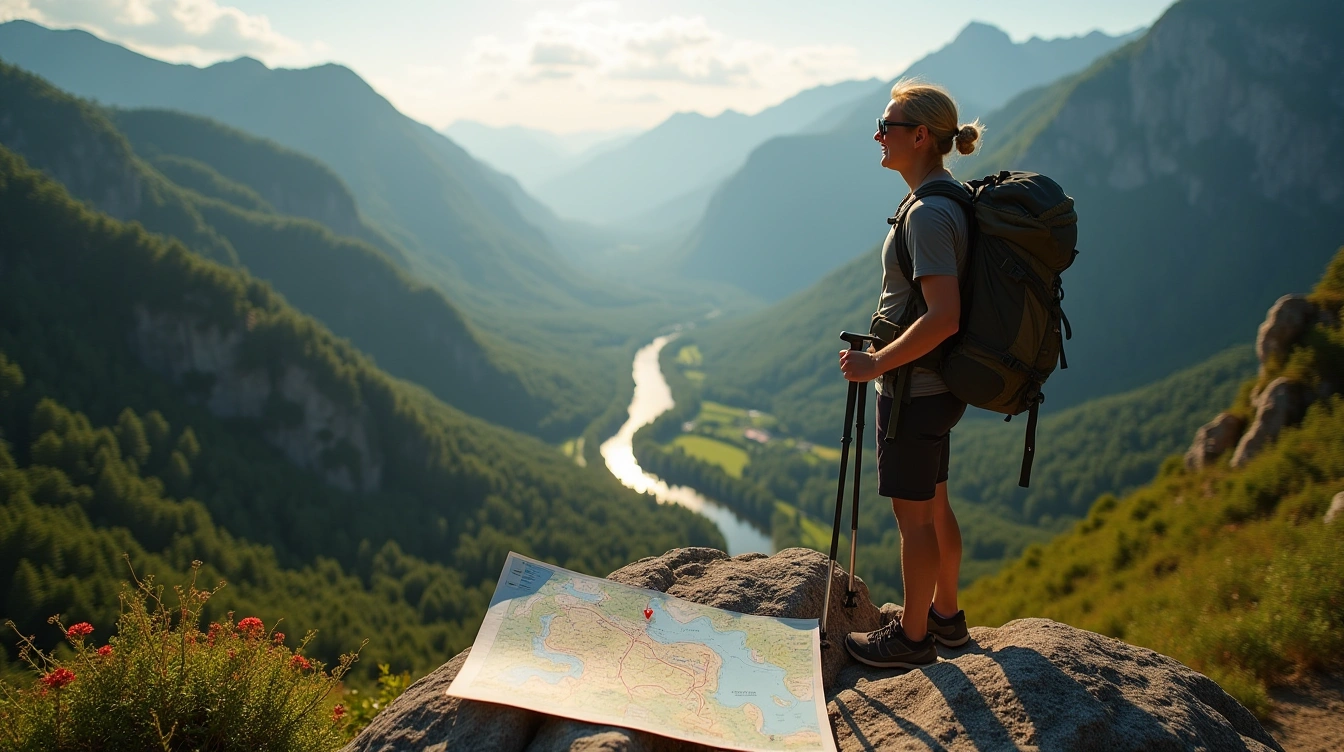
Starting strong means packing smart. The foundation of any successful hike lies in a well-curated kit-one that balances necessity with efficiency. Begin with the essentials: at least 2 liters of water, high-calorie trail snacks like energy bars or nuts, a detailed navigation map (GPS devices can fail), a compact first-aid kit, and a reliable pair of trekking poles. These tools don’t just enhance comfort-they drastically reduce physical strain, especially on descents where joint impact spikes.
Topic to read : What are the best locations to experience traditional Scottish ceilidh dancing?
Footwear is non-negotiable. A quality hiking boot should offer ankle support, a grippy outsole, and a fit that prevents blister formation-a common reason beginners cut trips short. Equally critical is clothing. Opt for moisture-wicking layers instead of cotton, which retains sweat and can lead to chills. A lightweight, waterproof jacket acts as your mobile shelter when sudden rain rolls in, which, on mountain trails, is less exception than rule.
Mastering your gear selection
Beyond the basics, smart gear choices reflect an understanding of conditions and personal limits. For instance, synthetic insulation performs better than down in damp environments-a small detail with big consequences. Trekking poles aren’t just for the elderly; they improve balance on uneven ground and reduce knee load by up to 25%. To deepen your expertise and master the technicalities of the trail, you can explore hiking tips that break down everything from layering strategies to gear maintenance, helping you refine your kit over time.
This might interest you : How can you learn about the history of British colonialism through interactive exhibits?
- 🔋 Energy bars and trail mix for sustained caloric intake
- 💧 Minimum 2 liters of water-more for hot or long hikes
- 🗺️ Physical map and compass (backup to digital tools)
- 🚑 Compact first-aid kit with blister treatment
- 🥾 Well-fitting hiking boots with ankle support
- 🌧️ Waterproof jacket with sealed seams
- 🥾 Trekking poles to reduce joint stress
Technical preparation and terrain awareness
Many assume the trail starts when you lace up. In truth, preparation begins weeks prior. Hiking isn’t just walking-it’s navigating elevation, variable terrain, and unpredictable weather. Without proper conditioning, even a moderate incline can become exhausting. This is where targeted training makes a difference. Short, regular walks with a loaded backpack simulate real trail conditions, building both endurance and mental resilience.
Focusing on leg strength-through exercises like lunges or step-ups-prepares your muscles for sustained climbs. Stability work, such as single-leg balance drills, helps prevent ankle rolls on rocky or root-covered paths. But physical readiness is only half the equation. Understanding elevation gain is key: a 5-mile hike with 2,000 feet of ascent demands far more than a flat trail of the same length. Checking topographic maps ahead of time gives you a realistic sense of effort, not just distance.
Physical conditioning for the slopes
Think of your body as another piece of gear-one that needs tuning. Cardiovascular fitness allows you to maintain a steady pace without gasping for air on switchbacks. Incorporating interval training, even on flat ground, can dramatically improve lung capacity. And don’t overlook the importance of core strength: a stable torso reduces fatigue and improves balance, especially when carrying a pack. It’s not about becoming an athlete overnight; it’s about showing up ready.
Logistics and safety benchmarks for beginners
Planning isn’t glamorous, but it’s what separates a memorable hike from a misadventure. Before setting out, assess the trail’s difficulty in terms of distance, elevation, and terrain. Beginners should aim for clearly marked paths with manageable gains, while still preparing for the unexpected-like sudden weather changes or trail closures.
Beyond personal readiness, logistics include informing someone of your route and expected return. Carrying a whistle, headlamp, and emergency blanket (often overlooked) can be lifesaving. And while trail snacks fuel your body, understanding calorie management keeps energy levels stable. Aim for small, frequent intake rather than one large meal mid-hike. Winter hikes, in particular, demand extra fuel-your body burns more calories just to stay warm.
Applying the Leave No Trace ethics
Preserving the wild spaces we enjoy starts with simple, consistent choices. Leave No Trace isn’t a slogan-it’s a responsibility. Stick to marked trails to prevent soil erosion and protect fragile plant life. Pack out everything you bring in, including food scraps. What feels like a small apple core can introduce non-native species and disrupt ecosystems. And remember: wildlife should remain wild. Observe from a distance, never feed, and store food securely.
Managing your hydration and energy
Dehydration creeps in quietly. By the time you feel thirsty, you’re already behind. Sip water regularly, even when you don’t feel the need. For hikes over two hours, consider adding electrolytes to your drink. On the nutrition side, prioritize snacks high in protein and complex carbs-like jerky, nuts, or granola bars. These release energy slowly, avoiding the sugar crash that turns a pleasant walk into a slog.
| ➡️ Difficulty Level | ⛰️ Average Elevation Gain | 🎒 Recommended Gear | ⏱️ Typical Duration |
|---|---|---|---|
| Beginner | Under 500 ft | Daypack, water, basic snacks, trail shoes | 1-2 hours |
| Intermediate | 500-1,500 ft | Full backpack, trekking poles, layered clothing, map | 3-5 hours |
| Advanced | 1,500+ ft | Navigation tools, emergency gear, stove, extra food/water | 6+ hours |
The most common questions
How do I choose between leather and synthetic boots for my first purchase?
Leather boots offer durability and excellent ankle support, often molding to your foot over time, while synthetic options are lighter and dry faster after getting wet. For most beginners, a hybrid or synthetic boot provides a good balance of comfort and performance, especially on shorter, less rugged trails. It’s about matching the material to your typical terrain and weather conditions-damp forests favor quick-drying synthetics, whereas rocky alpine paths may justify the heavier leather build.
Is it worth investing in expensive trekking poles as a beginner?
High-quality poles can be a smart long-term investment, particularly if you plan to hike regularly or tackle steep terrain. They reduce impact on knees and improve stability, which matters most on descents. Cheaper models may bend or fail under pressure, but you don’t need the most expensive pair to benefit. Look for adjustable, lightweight poles with ergonomic grips and reliable locking mechanisms-features that enhance safety and comfort without breaking the bank.
How should I clean my technical hiking gear to make it last longer?
Cleaning hiking gear properly preserves its performance. Wash moisture-wicking clothing with a technical detergent-never fabric softener, which clogs fibers and reduces breathability. Waterproof jackets should be cleaned gently and reproofed periodically to maintain their waterproof membranes. Air dry everything; heat damages technical fabrics. For boots, remove dirt with a soft brush and avoid submerging them-use a damp cloth and let them dry at room temperature, away from direct heat.